
Maritime Capability
AIS Spoofing Detection
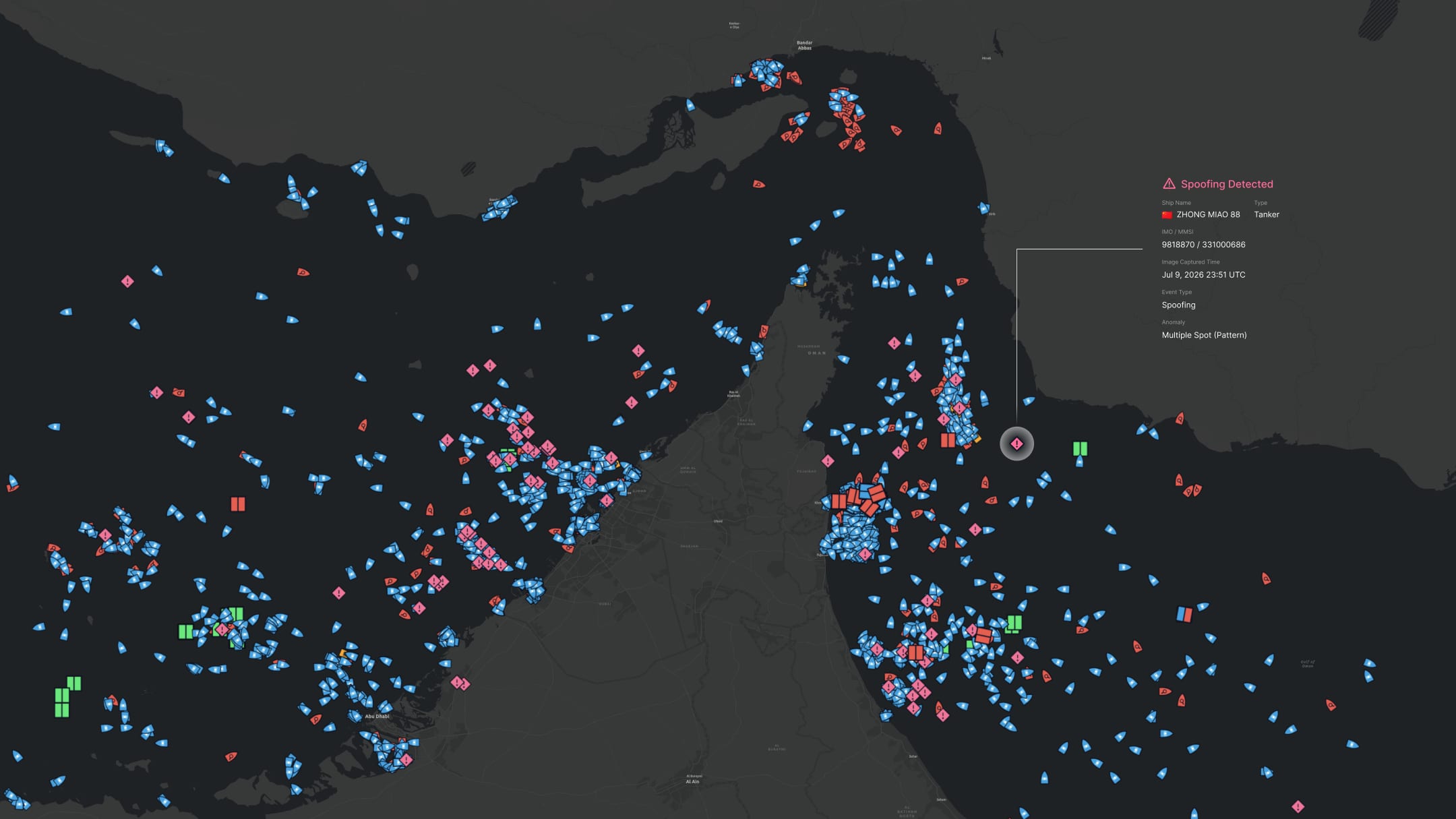
Identify vessels broadcasting false positions, manipulating identity, or sharing MMSI numbers, by comparing what AIS says with what satellites see.
The Problem

When vessels lie about who and where they are.
AIS spoofing is the deliberate manipulation of a vessel’s AIS data to misrepresent its identity, position, or behavior. Unlike going dark, spoofing lets a vessel stay “visible” while broadcasting false information.
It takes several forms: position spoofing, identity manipulation, MMSI sharing, and GPS/GNSS interference. Spoofing has surged with sanctions evasion, smuggling, and geopolitical conflict. Platforms that rely on AIS as their primary source are fundamentally compromised by it; Theia verifies AIS against independent satellite observation.
How Theia Detects
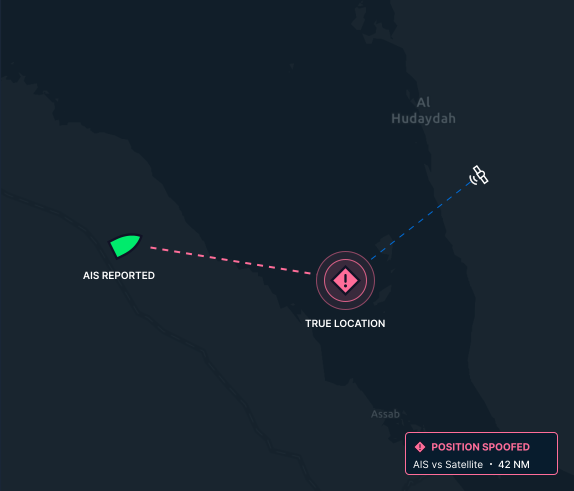
We compare what AIS says with what satellites see.

01 / Verify
Satellite-Verified Position
Theia compares AIS-reported positions against satellite-observed positions. When the two diverge, the discrepancy is flagged as a potential spoof.

02 / Profile
Historical Pattern Analysis
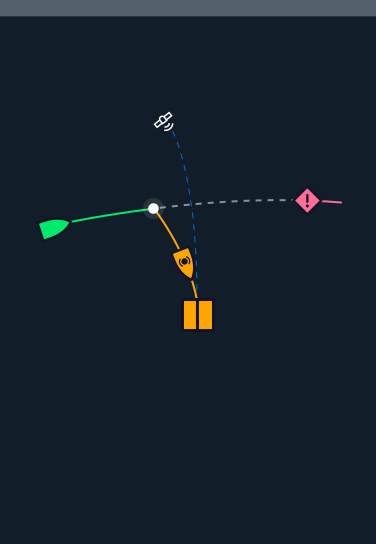
Theia builds behavioral profiles over time. When reported behavior deviates from the established pattern with no physical change in imagery, the anomaly is investigated.

03 / Match
MMSI Sharing Detection
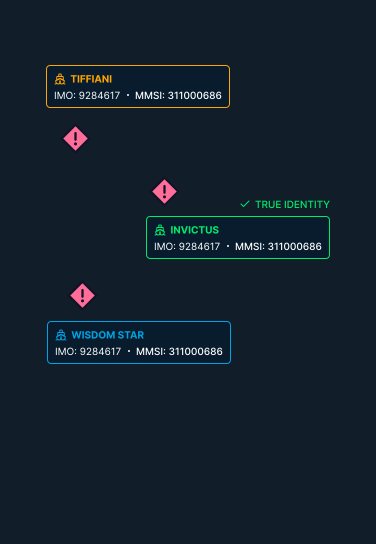
Theia identifies cases where multiple vessels broadcast the same MMSI simultaneously by correlating satellite detections with AIS signals across locations.

04 / Cross-Reference
Multi-Source Cross-Referencing
AIS is cross-referenced with SAR detections, optical imagery, port records, and ownership databases to validate or invalidate reported information.
By the Numbers
Spoofing, quantified.
65,839
Spoofing ships detected
2,493
MMSI sharers tracked
Continuous
Monitoring for position discrepancies across all ingested AIS
Use Cases
Where spoofing detection matters.

Sanctions Compliance

Insurance Underwriting

Government Surveillance

Port Security

Get Started
Detect spoofing before it costs you.
Request a demonstration and see how Theia verifies what AIS alone cannot.