
Industry Solutions
Port Authorities
Waterside visibility, arrival integrity, and anomaly monitoring across your approaches and anchorage.
The Problem

The approach is where the surprises come from.
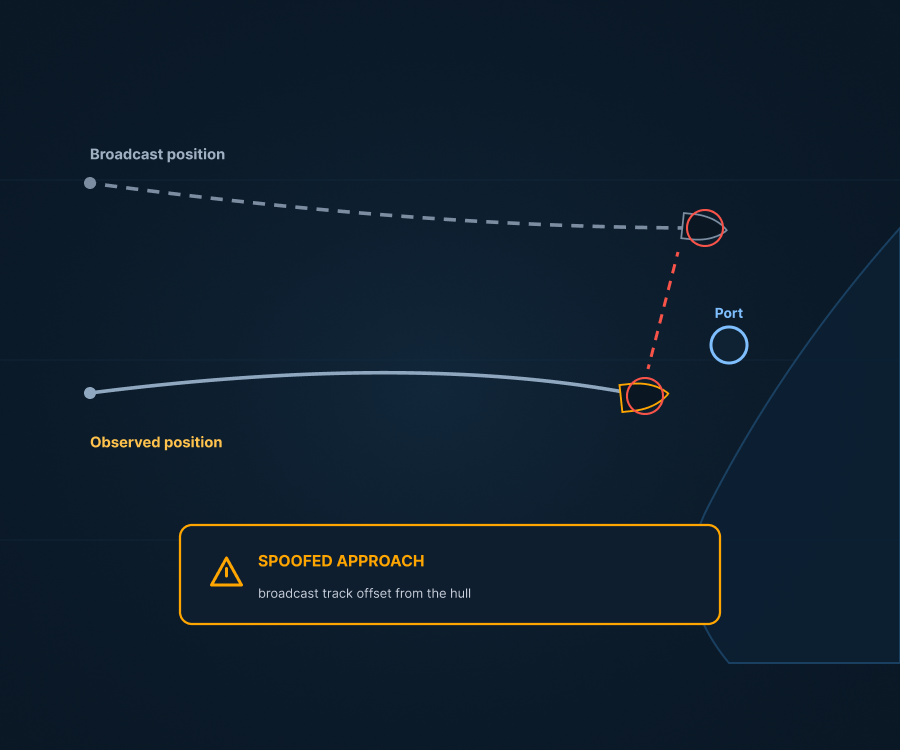
Ports manage what arrives: vessels whose declared identity, position, and history shape berthing, inspection, and enforcement decisions. A spoofed approach, a hull whose identity does not match its papers, or a caller with an undeclared history of dark legs and transfers puts that decision chain at risk, and conventional systems accept the declaration at face value.
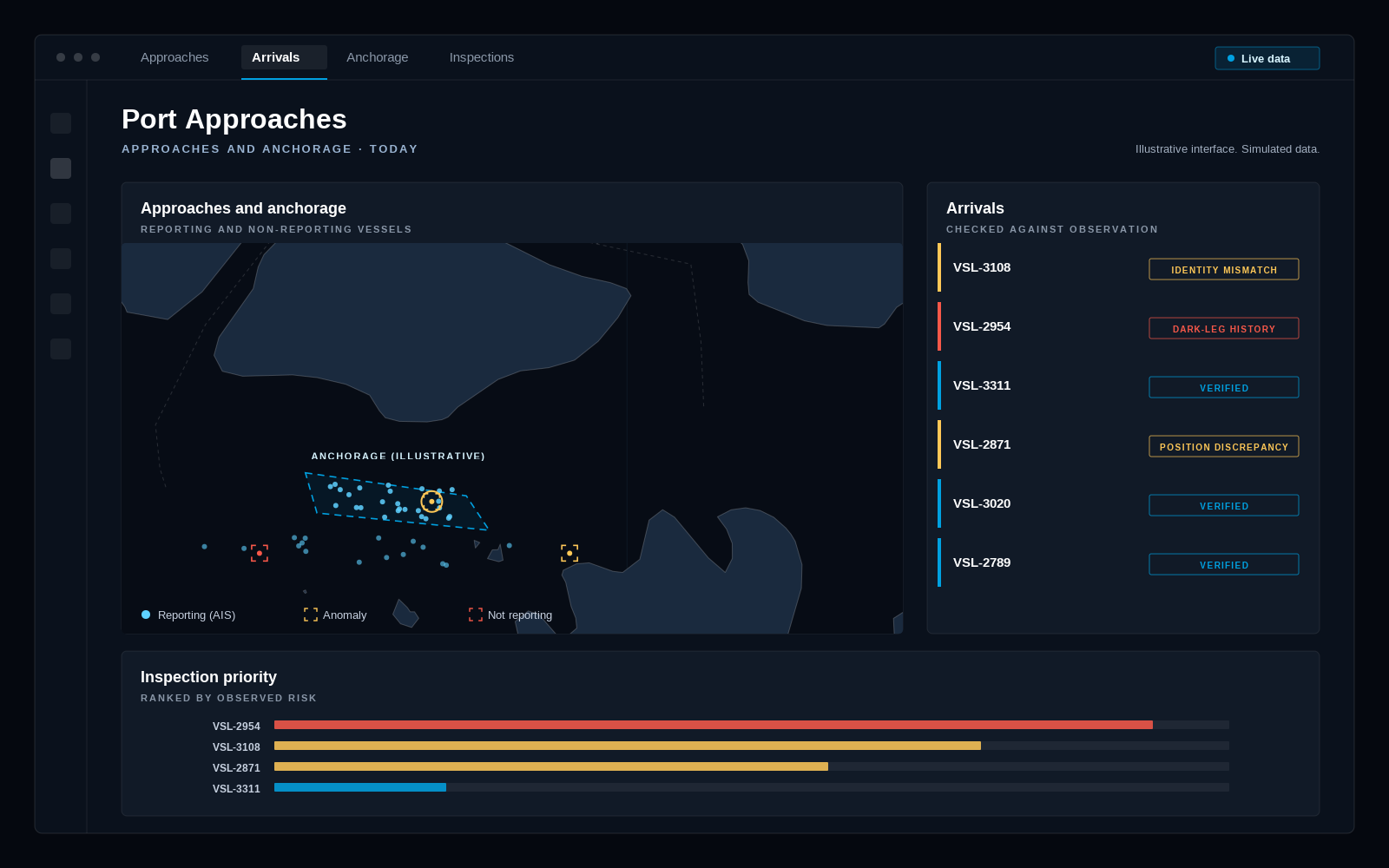
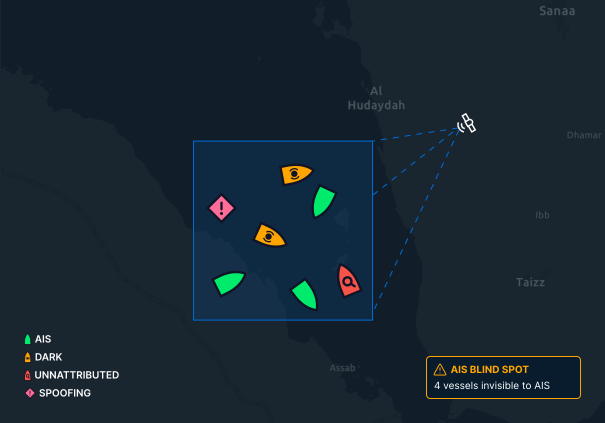
Theia gives port and coastal authorities an independent check on every approach: identity verified against observation, the vessel’s real history surfaced before it berths, anomalies flagged across the anchorage, and the basis to prioritize inspections where the risk actually sits.
Approach Monitor
[ + 09.31 ]
Capabilities
Where Theia does the work.

Port Workflows
Where it enters port operations.
An independent check on every approach.

01 / Verify
Verify the approach
Check that approaching vessels are where and who they claim, against independent observation.

02 / Review
Surface the history
Bring a vessel’s real history, including dark legs and transfers, forward before it berths.

03 / Watch
Watch the anchorage
Flag anomalies across the approaches and anchorage, including activity that transmits nothing.

04 / Prioritize
Target inspections
Prioritize inspections where the observed risk actually sits.
In the Platform
One picture of your approaches and anchorage.
Theia keeps a standing picture of the waters around your port: vessels that report, vessels that don’t, and the anomalies that should shape berthing and inspection decisions. Each alert carries its evidence.
Outputs publish through APIs and standard geospatial formats into the systems you already run. To keep the watch running around the clock, stand it up in Atlas for Maritime.
FAQ
Common questions.
Q1
Can Theia check a vessel before it berths?
Yes. Identity and position are verified against observation on approach, and the vessel’s history is available before it is alongside.
Q2
What about vessels that transmit nothing?
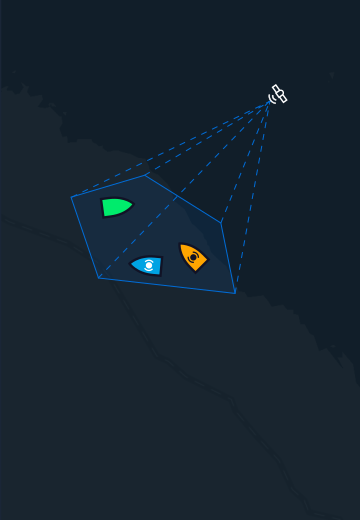
Satellite detection finds activity across the approaches whether or not a vessel broadcasts AIS.

Q3
Can outputs feed our port systems?
Yes. Detections, alerts and structured observations publish through APIs and standard geospatial formats.

Q4
What evidence comes with a finding?
Every observation carries imagery, measurable features, a confidence assessment and full lineage, so the basis of a finding can be checked, not just received.
Further Reading
From the resources library.

Get Started
Know every vessel before it berths.
Request a demonstration across your approaches and anchorage.