Synthetic aperture radar (SAR) and electro-optical (EO) imagery are the two most common ways to observe vessels from orbit. They are often compared as competing choices, but for maritime work they are better understood as complementary layers within the same enrichment step. This analysis compares how each images a vessel, where each is strongest, and why the choice is usually “both.”
How each images a vessel
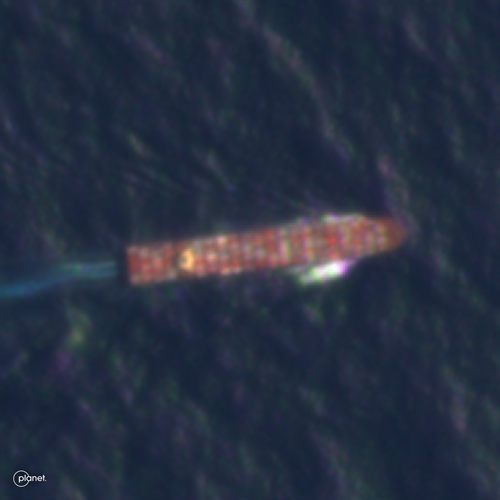
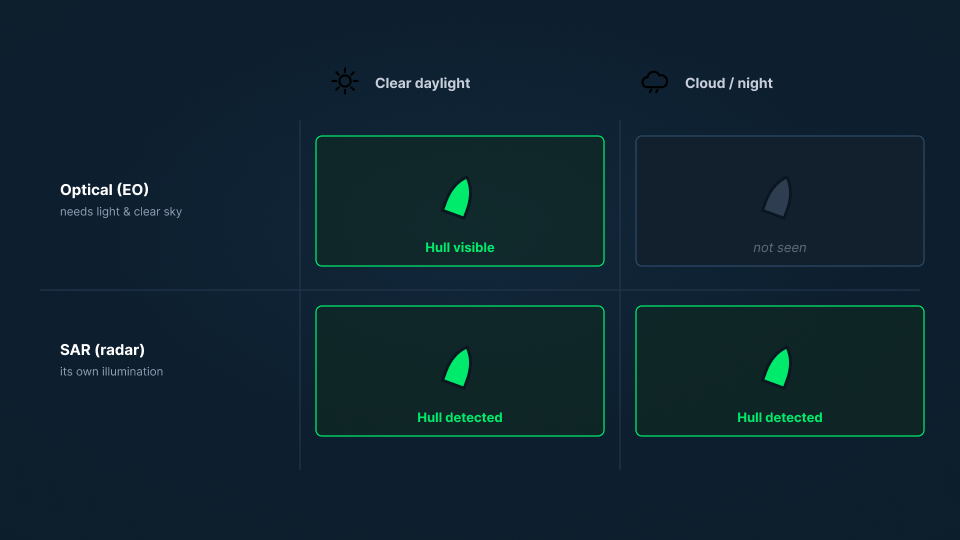
Optical imagery is, in effect, a camera in orbit. It records sunlight reflected off the scene, producing a familiar visual image. That makes it intuitive to read and rich in detail, and it means it depends on daylight and clear skies. Cloud, haze, or darkness leave it with little or nothing to record.
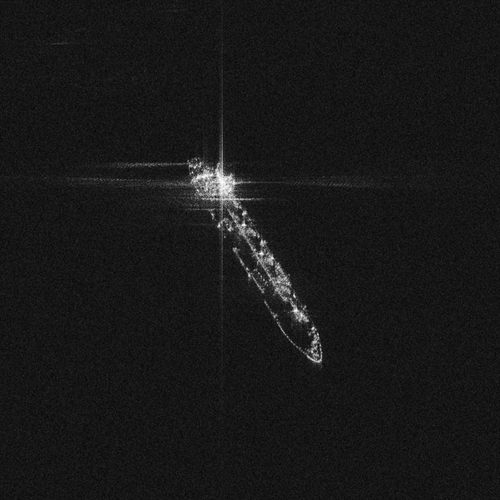
SAR images using radar instead of light. The satellite transmits radar energy and records what reflects back, so it supplies its own illumination and its wavelengths pass through cloud. It works day or night and in poor weather. A metal hull reflects strongly against the weakly reflecting sea, so vessels stand out clearly, though a radar image takes more expertise to interpret than a photograph. (See: What Is SAR and Why It Matters for Vessel Detection.)
Where each is strongest
The two divide along conditions and questions:
- SAR is the workhorse for presence in difficult conditions. When the question is simply whether a hull is in a patch of sea, and the sky is cloudy or the hour is late, SAR answers it when optical cannot.
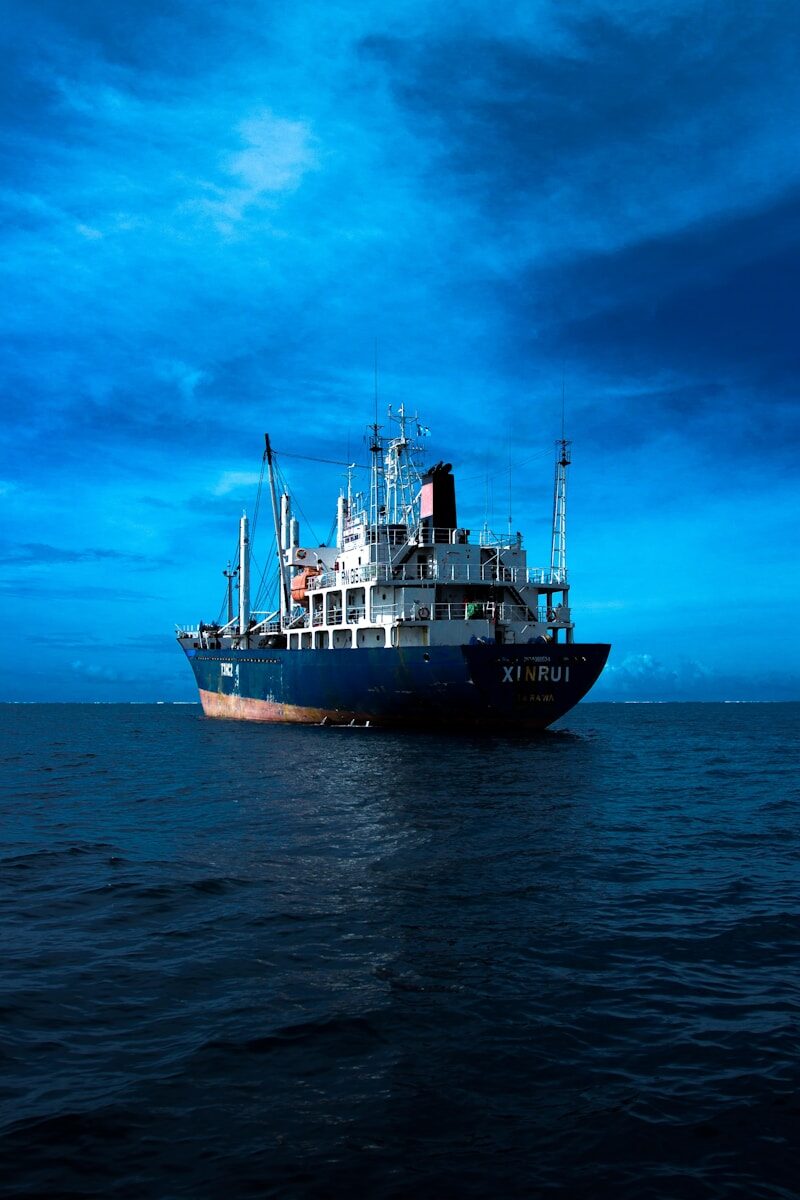
- Optical is strongest for detail and confirmation. In clear daylight it reveals features that help read a vessel’s type and configuration, supporting identification in a way a radar return does not.
Why the answer is usually both
Framed as a rivalry, the comparison invites the wrong conclusion, that one imaging type should replace the other. In practice they cover each other’s gaps. SAR finds a hull through weather that would blind an optical sensor; optical then adds the detail that helps confirm what SAR located. Used together, they produce a more complete and confident observation than either alone.
The deeper point is that neither is the differentiator. Both are forms of imagery, and imagery is the enrichment layer that adds ground truth to the self-reported AIS baseline. Whichever imaging type observed the hull, its value comes from being correlated against what vessels report and then weighed in context. (See: How Satellite Vessel Detection Works.)
From imaging to intelligence
An image, radar or optical, establishes what is on the water. It does not by itself say which vessel matters. A hull with no matching AIS is a candidate whether SAR or optical captured it, and context decides whether it is a routine small craft or a large vessel worth attention. (See: What Is Maritime Domain Awareness and How to Track Vessels Without AIS.)
SynMax delivers that judgment as a capability through Theia, drawing on the imaging best suited to the conditions, correlating it against the reported baseline, and identifying which vessels warrant a closer look. The SAR-versus-optical question resolves the same way most of these comparisons do: use the right observation for the moment, then let correlation and judgment do the work.
That is the standard we hold to across everything we build: Ground Truth for Every Decision.
If your team is deciding how to observe vessels across your waters, request a demo and we will show you what that looks like in your area of interest.