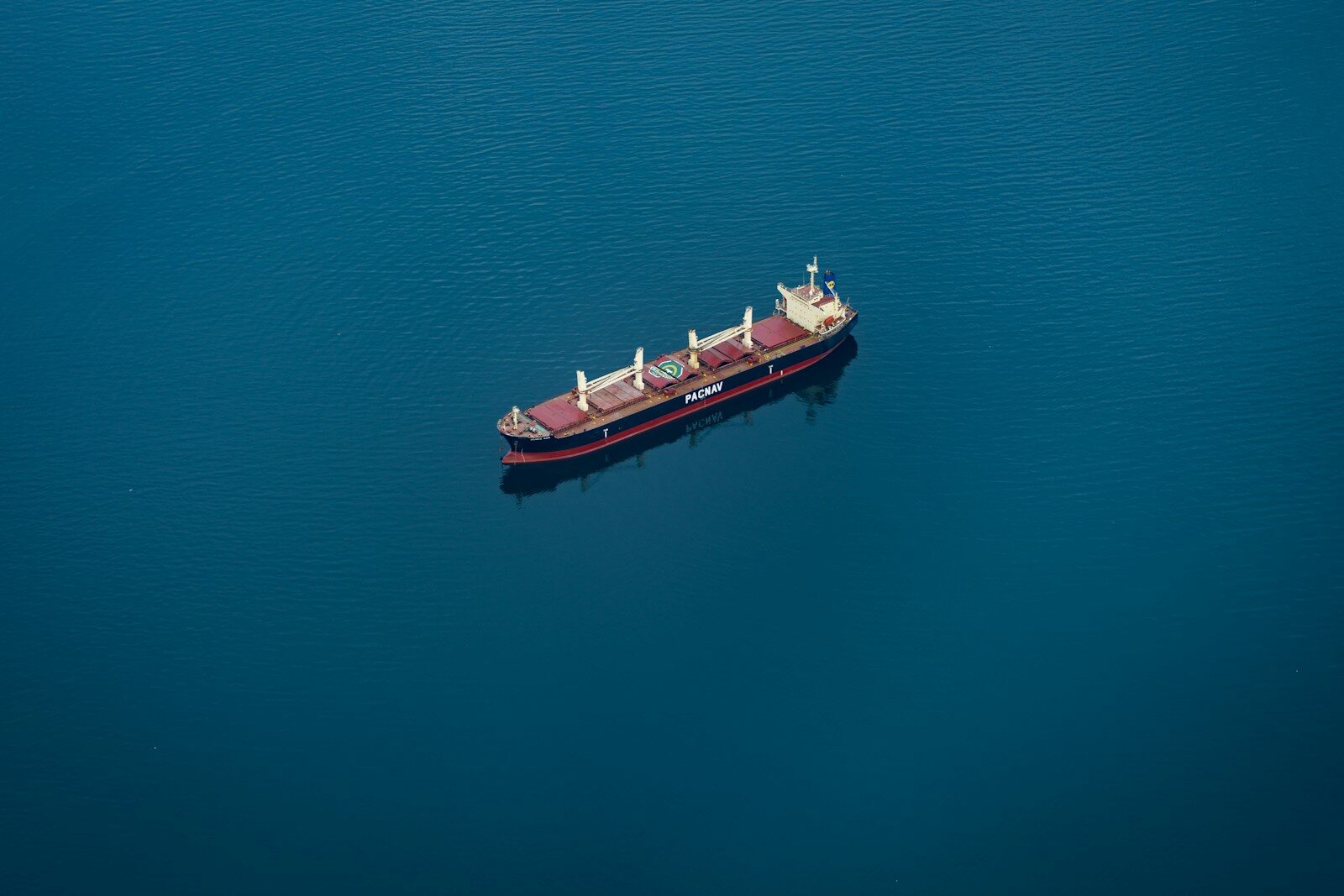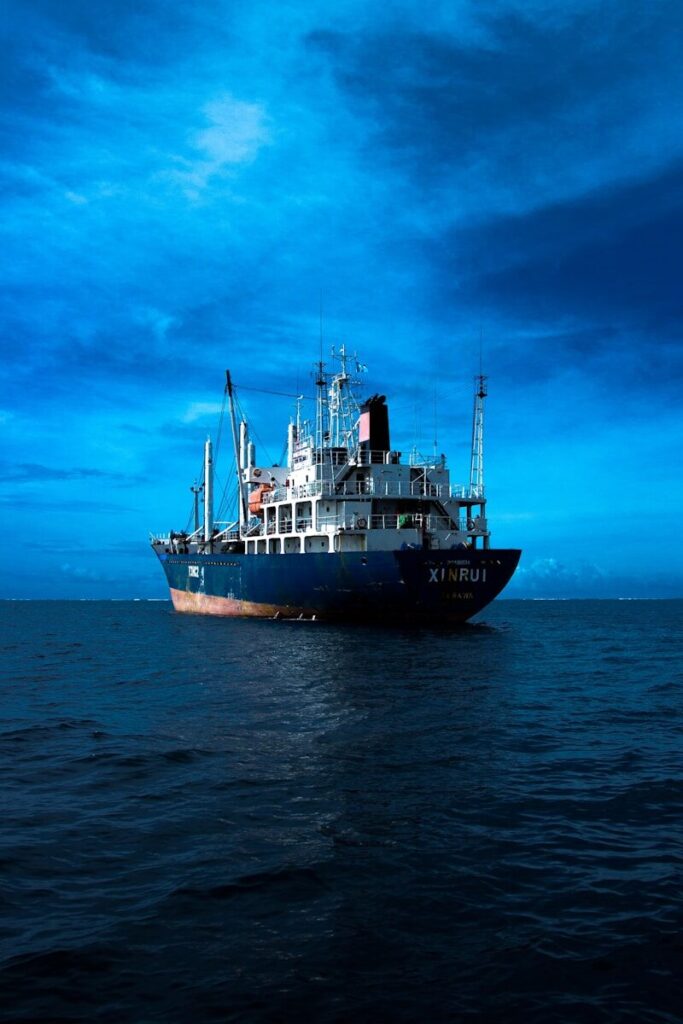
A vessel of interest is a ship that an analyst or authority flags for closer examination because its characteristics or behavior suggest elevated risk. The designation does not assert wrongdoing. It marks a vessel as worth a second look, moving it out of routine traffic and into a queue for scrutiny.
The value of the concept is prioritization. The maritime domain contains far more activity than any team can examine in detail, so the practical question is where to direct limited attention. Identifying vessels of interest is how analysts answer that question.
What makes a vessel of interest
No single factor makes a ship a vessel of interest. The designation usually reflects a combination of indicators, weighed together:
- Behavioral indicators: reporting gaps, falsified positions, unexplained loitering, or a rendezvous with another vessel at sea.
- Identity and registry indicators: frequent flag changes, opaque ownership, or an identity that does not match observation.
- Contextual indicators: operation in or near sensitive waters, links to sanctioned entities, or a history of prior concerns.
- Physical indicators: a vessel type or configuration inconsistent with its declared activity.
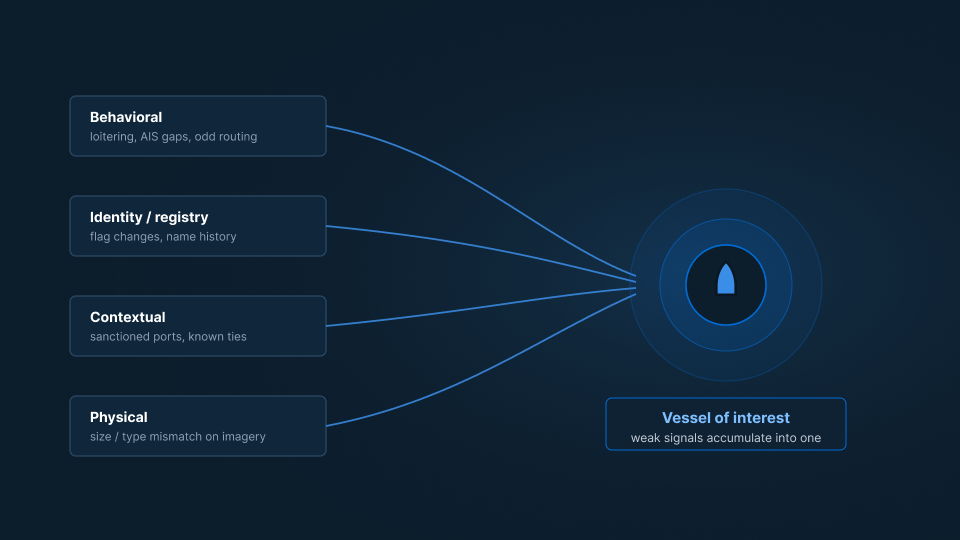
A single indicator is rarely conclusive, and some carry almost no weight on their own. A vessel not transmitting AIS is unremarkable, because AIS is voluntary. What matters is how the indicators reinforce one another. A reporting gap alone is common. A reporting gap that coincides with a mid-ocean rendezvous, aboard a fifty-metre cargo vessel that has changed flags twice this year and recently called at a sanctioned port, is a different matter entirely. The same behavior on a small pleasure craft would mean nothing. Context and vessel type decide which is which. (See: Understanding Deceptive Shipping Practices and What Are Flags of Convenience.)
From flag to investigation
Designating a vessel of interest is the beginning of a process, not its conclusion. Once flagged, a vessel is examined more closely: its history reconstructed, its recent behavior verified against imagery of the water, and its associations mapped. That deeper examination is the work of building a vessel risk profile. (See: How to Build a Vessel Risk Profile.)
This prioritization sits at the heart of maritime domain awareness, which is fundamentally about directing finite attention to the activity that matters most. (See: What Is Maritime Domain Awareness.)
From noise to focus
The hard part of maritime monitoring is rarely a lack of data. It is knowing which vessel, out of thousands, deserves attention now. SynMax delivers that judgment through Theia, correlating the AIS baseline with imagery and vessel history so the vessels worth examining rise to the top. It is not a longer list of contacts. It is the capability to know which of them matter.
That is the standard we hold to across everything we build: Ground Truth for Every Decision.
If your team needs to focus attention on the vessels that matter, request a demo and we will show you what that looks like in your area of interest.