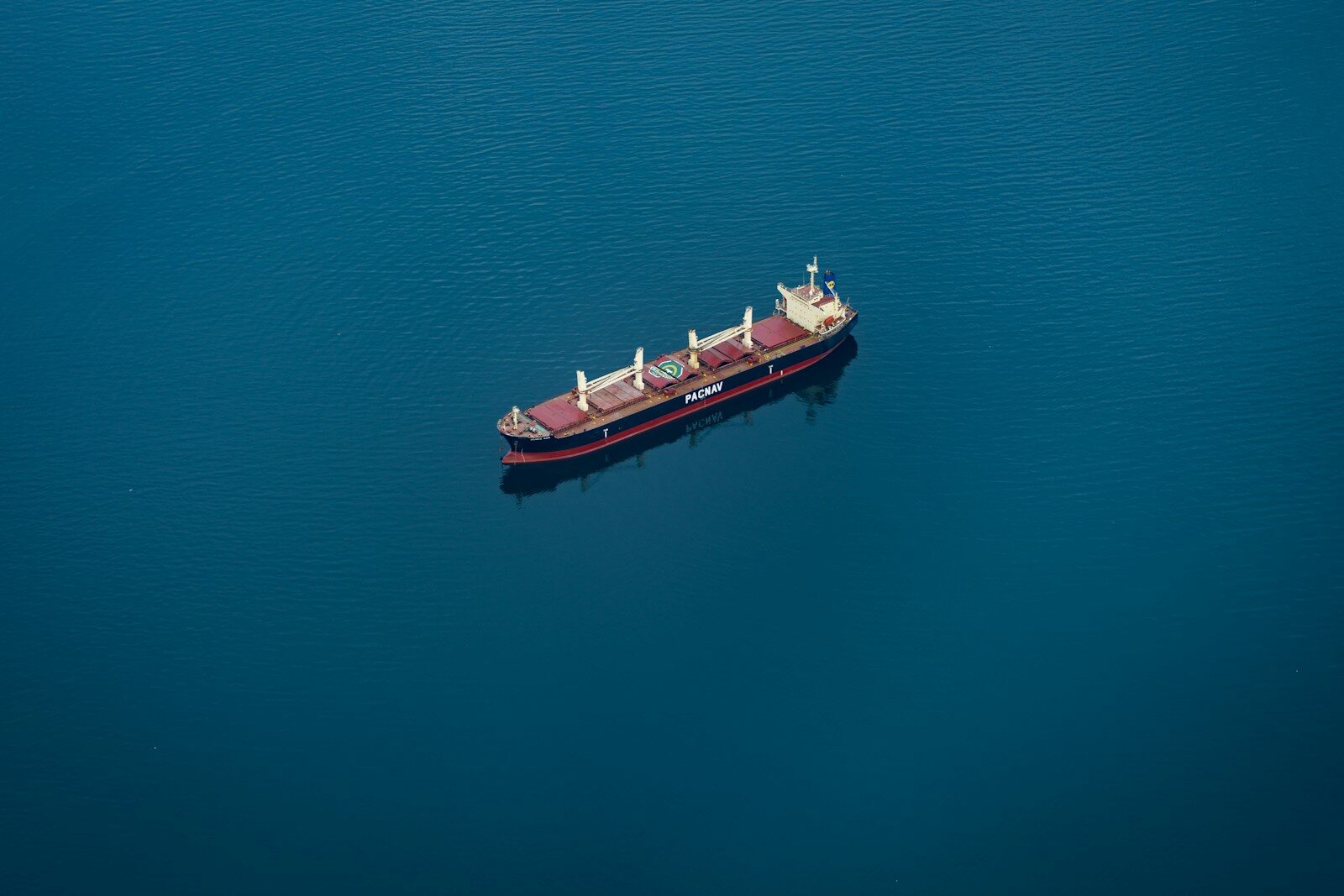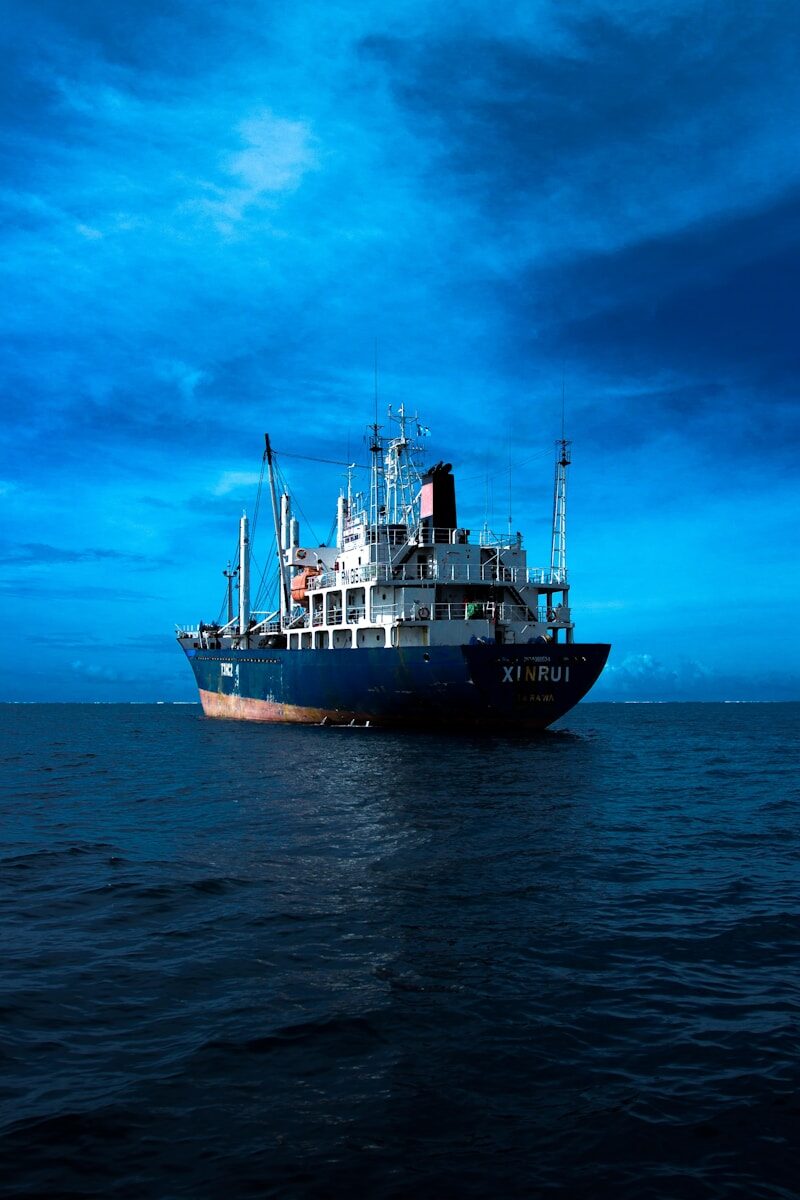
Every merchant ship is registered to a country, and that country is its flag state. The flag state sets the legal framework the vessel operates under: its safety standards, labor rules, taxes, and inspection regime. A flag of convenience is a registry a shipowner chooses in a country other than their own, typically to gain lower costs, lighter regulation, or reduced oversight.
Flags of convenience are not inherently illicit. Open registries are a long-established and legal part of global shipping, and many entirely legitimate operators use them. The concern arises when the flexibility they offer is used deliberately to weaken accountability.
Why owners choose a flag of convenience
The motivations sit on a spectrum from routine to evasive:
- Lower registration fees, taxes, and operating costs.
- Access to a larger or cheaper labor pool under the flag state’s rules.
- Lighter regulatory and inspection requirements.
- Distance between the vessel’s true owner and its legal identity.
The first items on that list are ordinary commercial decisions. The last one is where flags of convenience begin to intersect with concealment.
What flag hopping is
Flag hopping is the practice of repeatedly changing a vessel’s flag state, often within a short period, to shed scrutiny. When a registry deregisters a vessel over sanctions or safety concerns, or when a flag draws unwanted attention, the operator simply moves the ship to another registry and continues. Each change resets the paper trail and complicates the work of anyone trying to build a consistent history of the vessel.
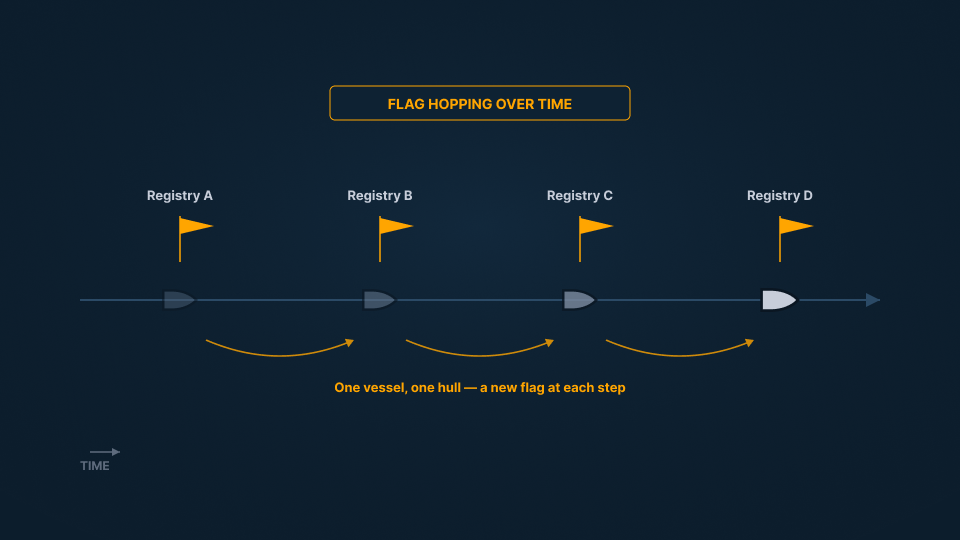
Frequent, unexplained flag changes are a recognized indicator of risk. They are common among shadow-fleet vessels and appear alongside other deceptive practices. (See: What Is the Shadow Fleet and Understanding Deceptive Shipping Practices.)
Why it matters for oversight
For compliance teams, insurers, and enforcement bodies, the flag state is a starting point for understanding who is responsible for a vessel and what standards apply. Flag hopping deliberately erodes that starting point. A single flag change proves nothing on its own, since vessels change flags for legitimate reasons. What warrants a closer look is the pattern: a rapid succession of flags combined with opaque ownership and gaps in the vessel’s reporting. That profile deserves examination before any commercial or regulatory decision is made. (See: What Is a Vessel of Interest.)
From paperwork to pattern
A flag is a claim about accountability, and it can be changed at will. SynMax delivers the capability to see past that through Theia, holding a vessel’s behavior and history in one place across the maritime domain, so a record of flag changes and concealment reads as a pattern rather than resetting each time the paperwork does.
That is the standard we hold to across everything we build: Ground Truth for Every Decision.
If your team needs to see the full history behind a vessel, request a demo and we will show you what that looks like in your area of interest.