The Russian oil price cap is a sanctions mechanism intended to limit the revenue Russia earns from seaborne oil exports without removing that oil from the global market entirely. It has also driven the growth of a parallel shipping network, the dark fleet, that exists to move the oil outside the cap’s reach. This analysis explains how the cap is designed to work and how it is circumvented. It describes the mechanism and the enforcement debate factually, without taking a political position.
How the cap is designed to work
The cap was introduced by a coalition of the G7, the EU, and Australia, applying to Russian crude from late 2022 and to refined products from early 2023. Rather than banning the trade, it conditions access to Western maritime services on compliance. Shippers, insurers, and financiers based in coalition jurisdictions may support the transport of Russian oil only if it is sold at or below a set price. The leverage comes from the dominance of Western providers, particularly in insurance and trade finance, across the global oil trade.
The cap level has evolved. The coalition initially set a fixed threshold, and more recently the EU and UK shifted to a dynamic mechanism that tracks a discount to the market price of Russia’s main export grade, which as of early 2026 placed the effective cap in the mid-forties of US dollars per barrel, while the US retained a separate fixed level. The specifics continue to change with policy and market conditions, so current figures should be confirmed against the latest official sources.
How the dark fleet circumvents it
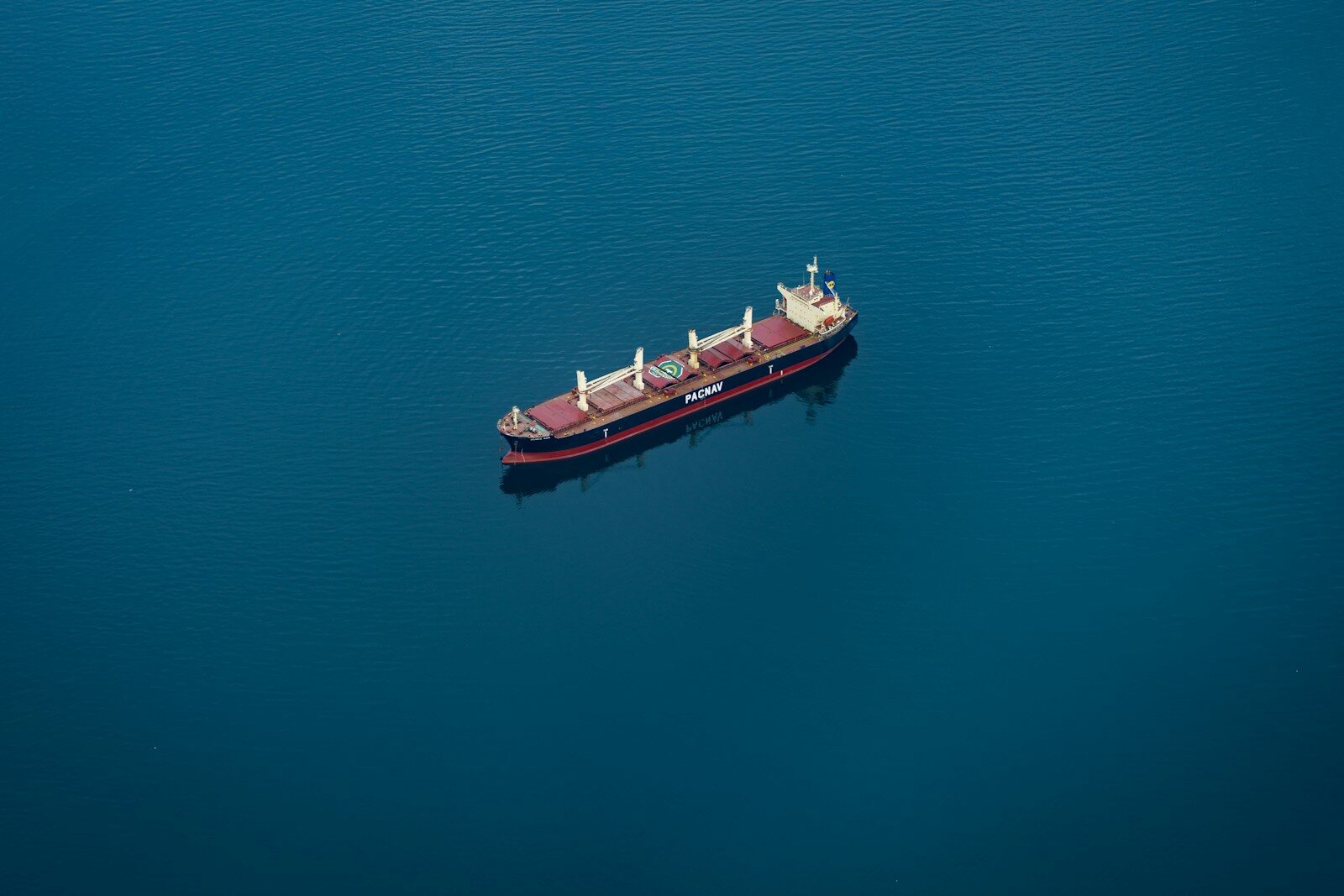
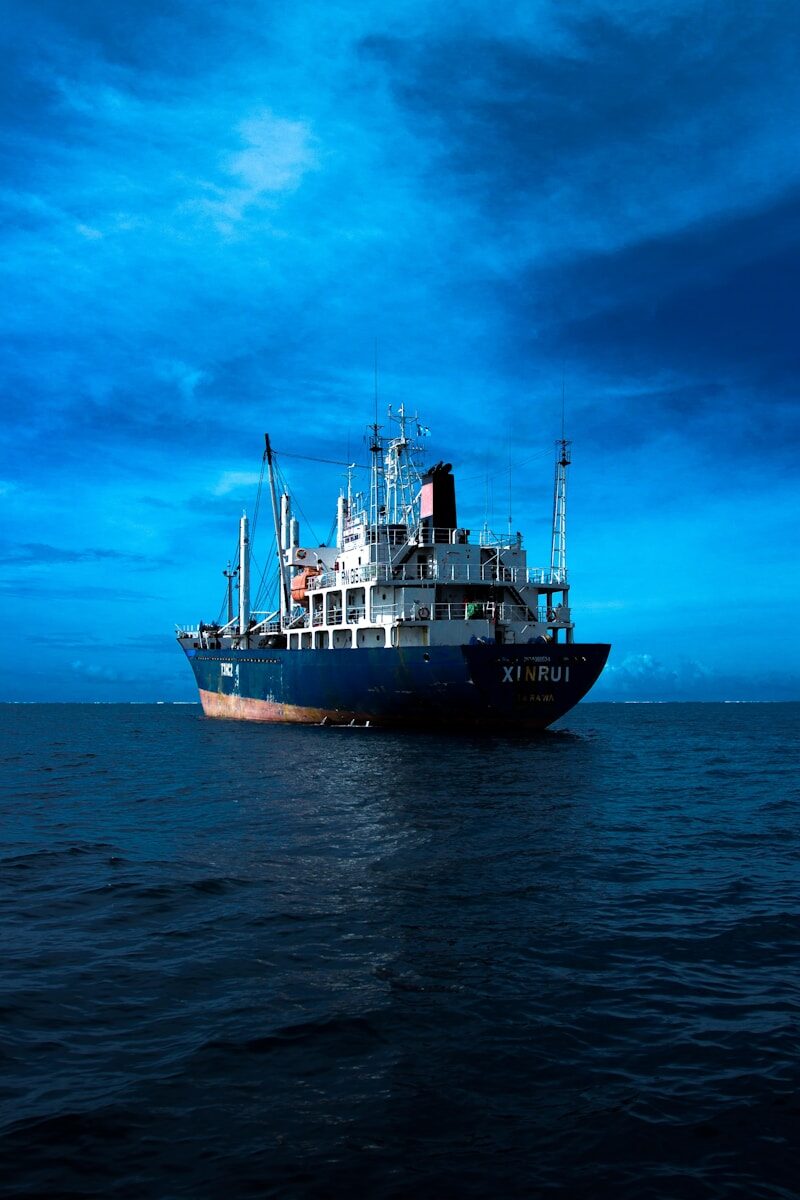
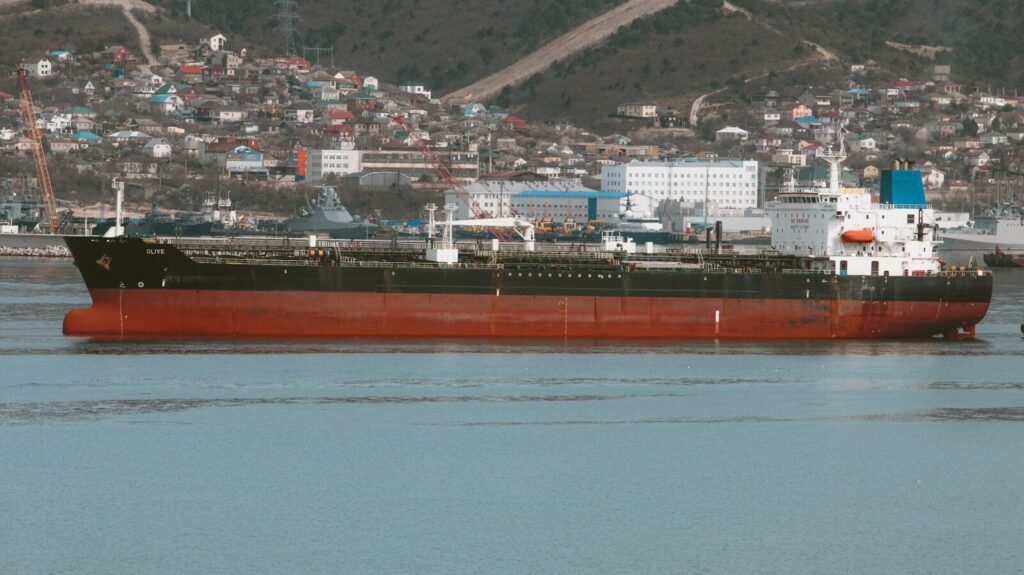
The cap’s dependence on Western services created the incentive to operate without them. The dark fleet is the result: a network of mostly aging tankers with opaque ownership and non-Western or unclear insurance, assembled specifically to move oil beyond the cap’s reach. (See: What Is the Shadow Fleet.)
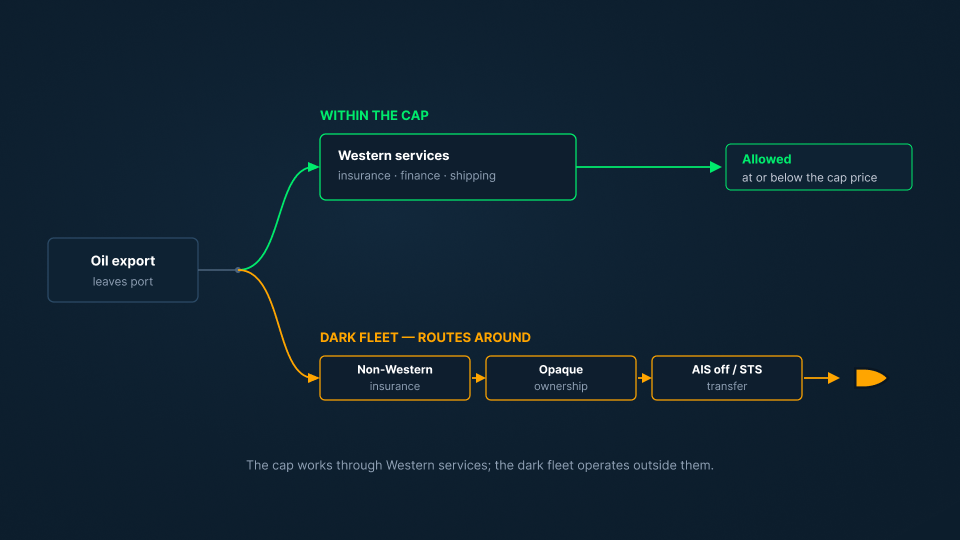
Circumvention combines the familiar deceptive practices. Vessels avoid coalition insurers and financiers, obscure ownership through shell structures, change flags to shed scrutiny, disable or falsify AIS during sensitive legs, and use ship-to-ship transfers to blend and relabel cargo. Estimates place the broader shadow fleet in the many hundreds of tankers, a significant share of the global total, and most of them are old vessels operating with limited oversight. (See: How Maritime Sanctions Evasion Works at Sea and How to Detect Ship-to-Ship Transfers.)
The enforcement challenge
Enforcement has intensified through vessel designations, port and coastal action, and interceptions in and around European waters, and the volume of oil still moving shows how difficult full enforcement is. The aging, lightly insured nature of the fleet also raises safety and environmental concerns for coastal states. For the analysts, insurers, and compliance teams affected, the practical difficulty is verification: paperwork can be made to look compliant, so establishing whether a vessel actually stayed within the rules requires knowing where it truly went and what it did. (See: Maritime Sanctions Risk for Insurance and Compliance Teams.)
From policy to verification
Whether a cargo complied with the cap is a question about a vessel’s real movements, not just its documents. SynMax delivers the capability to answer it through Theia, correlating the self-reported record with direct observation of the water and vessel history, so that a compliant-looking voyage can be checked against what actually happened.
That is the standard we hold to across everything we build: Ground Truth for Every Decision.
If your team needs to assess price-cap and dark-fleet exposure in your area of interest, request a demo and we will show you what that looks like.