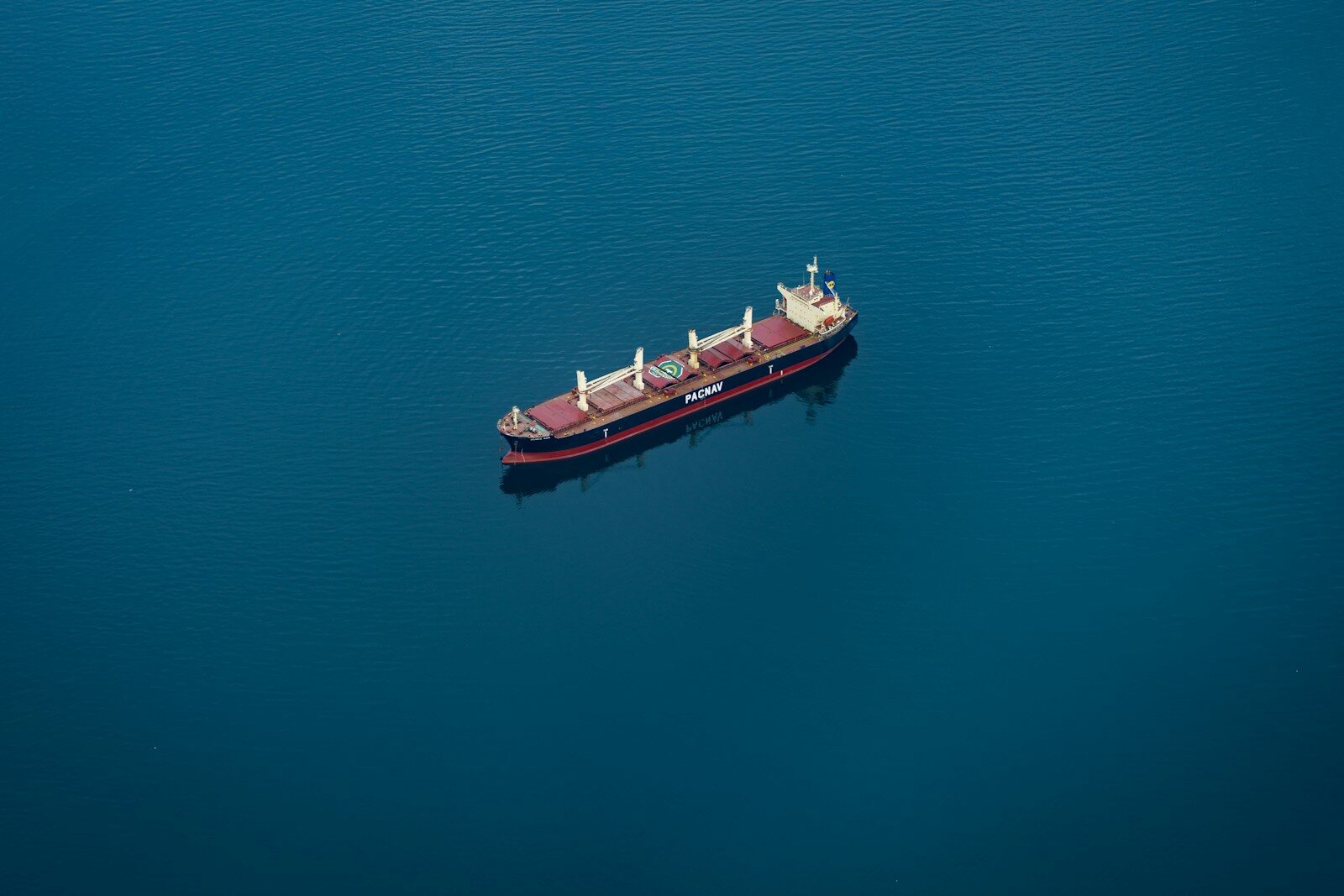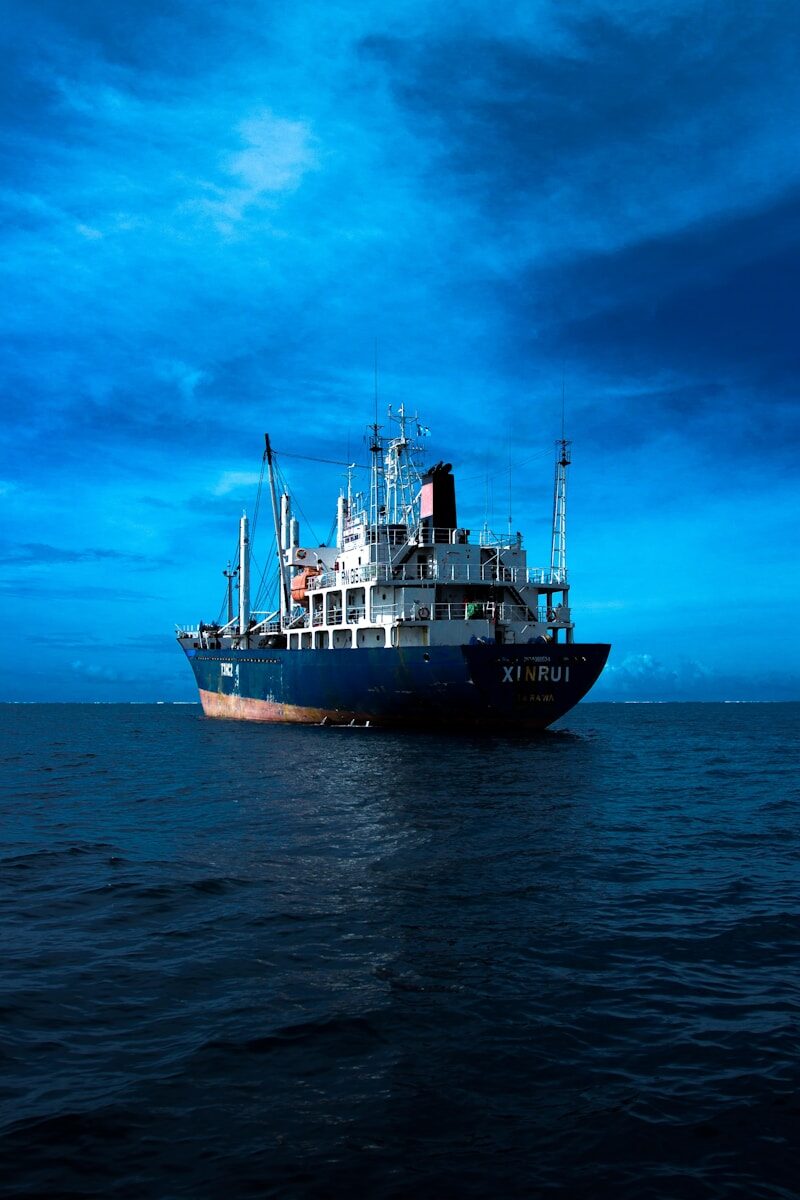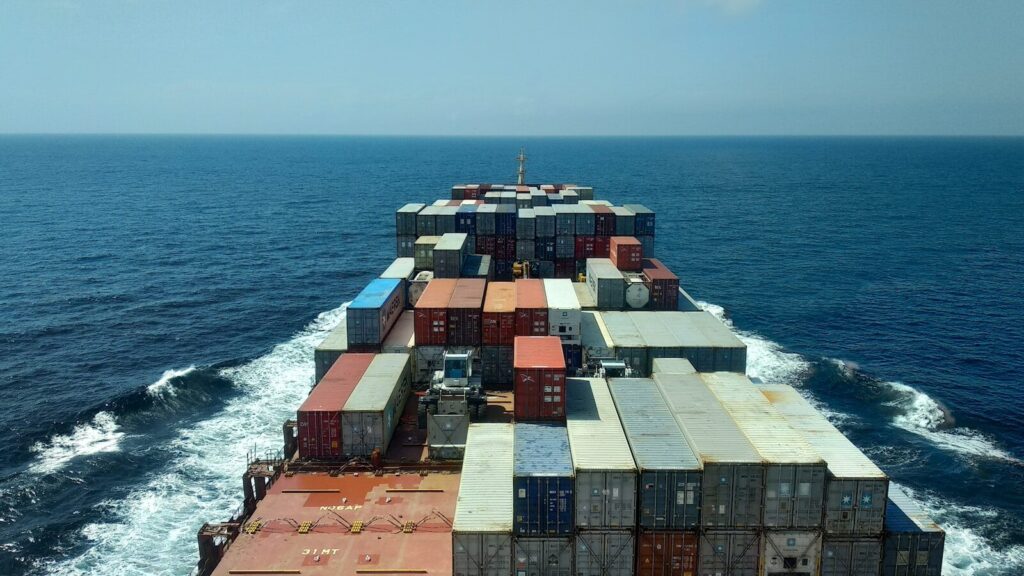
Maritime sanctions are meant to stop restricted cargo, most prominently oil, from reaching the market or from generating revenue above a set limit. Yet the cargo often keeps moving. It does so through a repeatable playbook of concealment carried out at sea, where oversight is thinnest. This analysis explains how that playbook works, and why exposing it depends on observing what vessels actually do rather than what they declare.
The building blocks of evasion
Evasion is assembled from the deceptive practices that hide a vessel’s true activity. Used together, they let sanctioned cargo travel while appearing legitimate. (See: Understanding Deceptive Shipping Practices.)
- A parallel fleet. Aging tankers with opaque ownership and non-Western insurance operate outside the mainstream system, so restricted cargo never touches compliant service providers. This is the shadow fleet. (See: What Is the Shadow Fleet.)
- Transfers at sea. Cargo is moved ship to ship, often away from ports, to break the chain linking it to a sanctioned origin. (See: How to Detect Ship-to-Ship Transfers.)
- Position and identity concealment. Transponders are switched off during sensitive legs, positions are falsified, and identities or flags are changed to obscure the trail.
- Document manipulation. Paperwork is forged or altered to misstate origin, cargo, or destination.
A typical evasive voyage
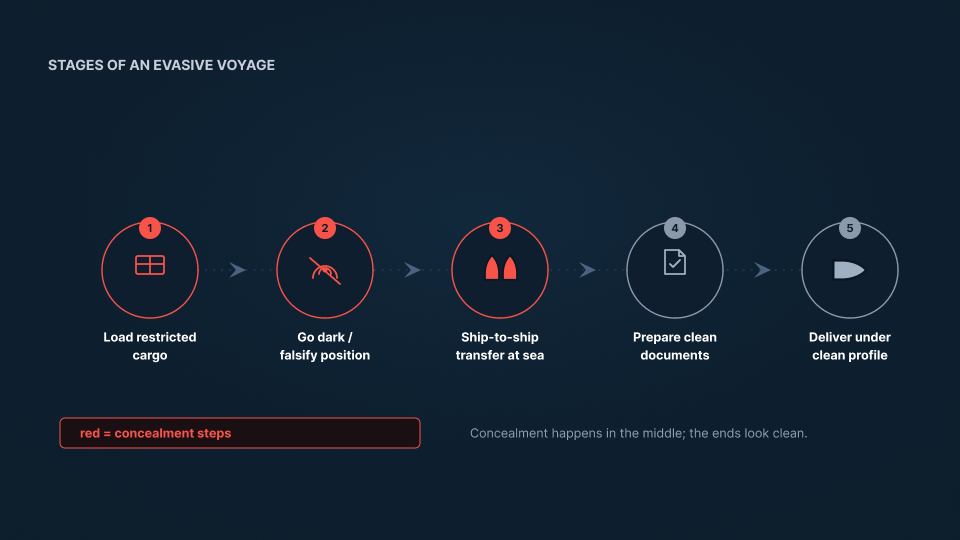
Assembled, these blocks form a recognizable sequence. A tanker loads restricted crude, then goes dark or transmits a false position as it leaves the loading region. It meets a second vessel at sea for a transfer, blending the cargo and further obscuring its origin. Documentation is prepared to present the cargo as unrestricted, and the receiving vessel completes the delivery under a clean-looking profile. At each step the aim is the same: to sever the observable link between the cargo and its sanctioned source.
Where the playbook is vulnerable
The playbook depends on manipulating self-reported information. It assumes no one is independently observing the loading, the dark leg, or the transfer. That assumption is where it breaks.
The self-reported picture is the base layer, and imagery of the water is what tests it. A dark leg leaves a gap that observation can fill. A transfer meant to be invisible appears as two hulls held alongside in a single frame. A falsified position is contradicted by where the vessel is actually seen. Correlating the reported record against observation, and reading the behavior in context, is what reconstructs the voyage the operator tried to hide. No single anomaly is proof on its own, so the finding comes from the pattern and the vessel’s history. (See: How to Detect Ship-to-Ship Transfers.)
This is closely tied to specific sanctions regimes, most visibly the price cap on Russian oil and the dark fleet that has grown up to circumvent it. (See: Understanding the Russian Oil Price Cap and the Dark Fleet.)
From playbook to evidence
Evasion succeeds when the steps between a sanctioned origin and a clean-looking delivery go unobserved. SynMax delivers the capability to close that gap through Theia, correlating the self-reported record with direct observation and vessel history to reconstruct what a voyage actually involved.
That is the standard we hold to across everything we build: Ground Truth for Every Decision.
If your team needs to identify sanctions evasion in your area of interest, request a demo and we will show you what that looks like.