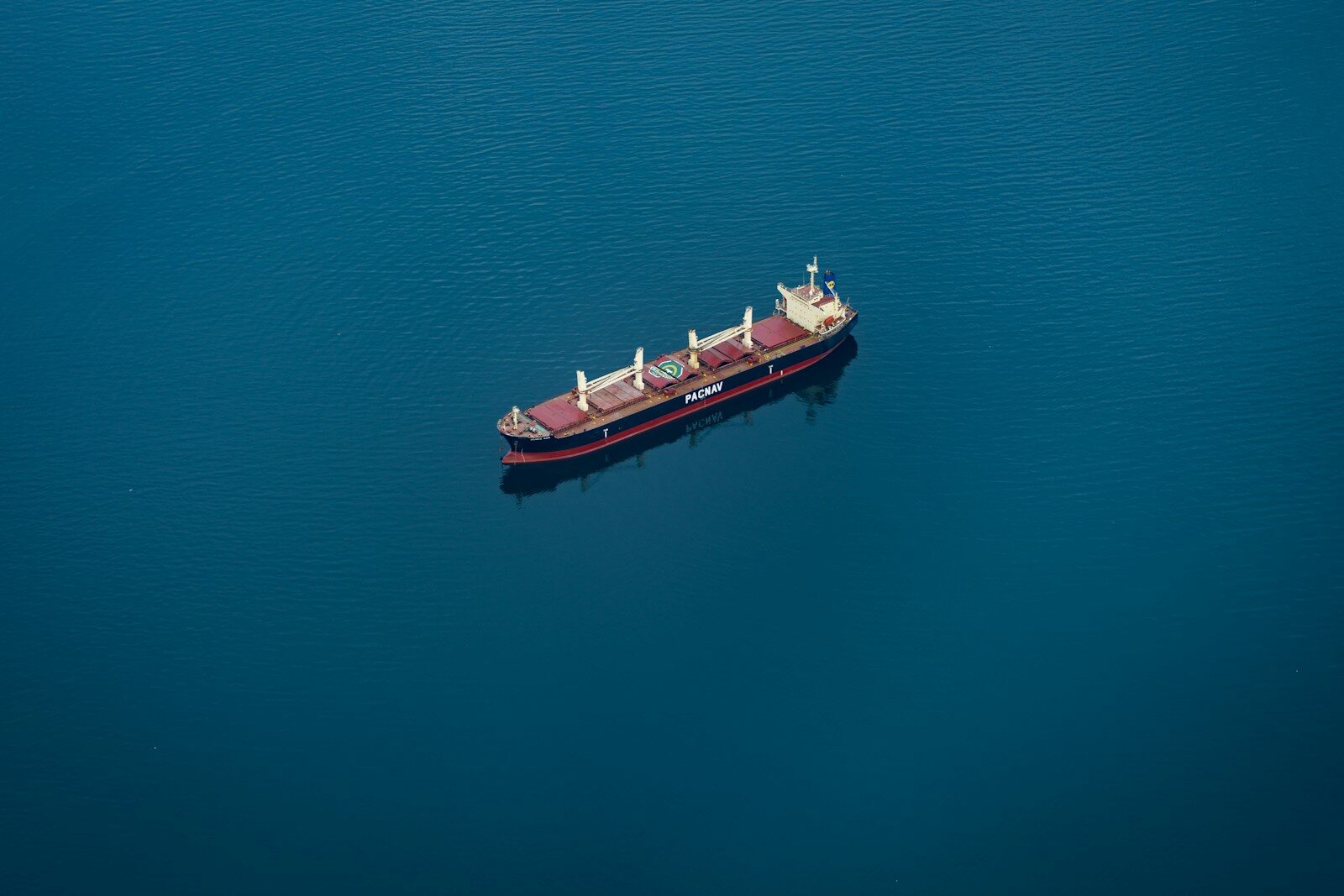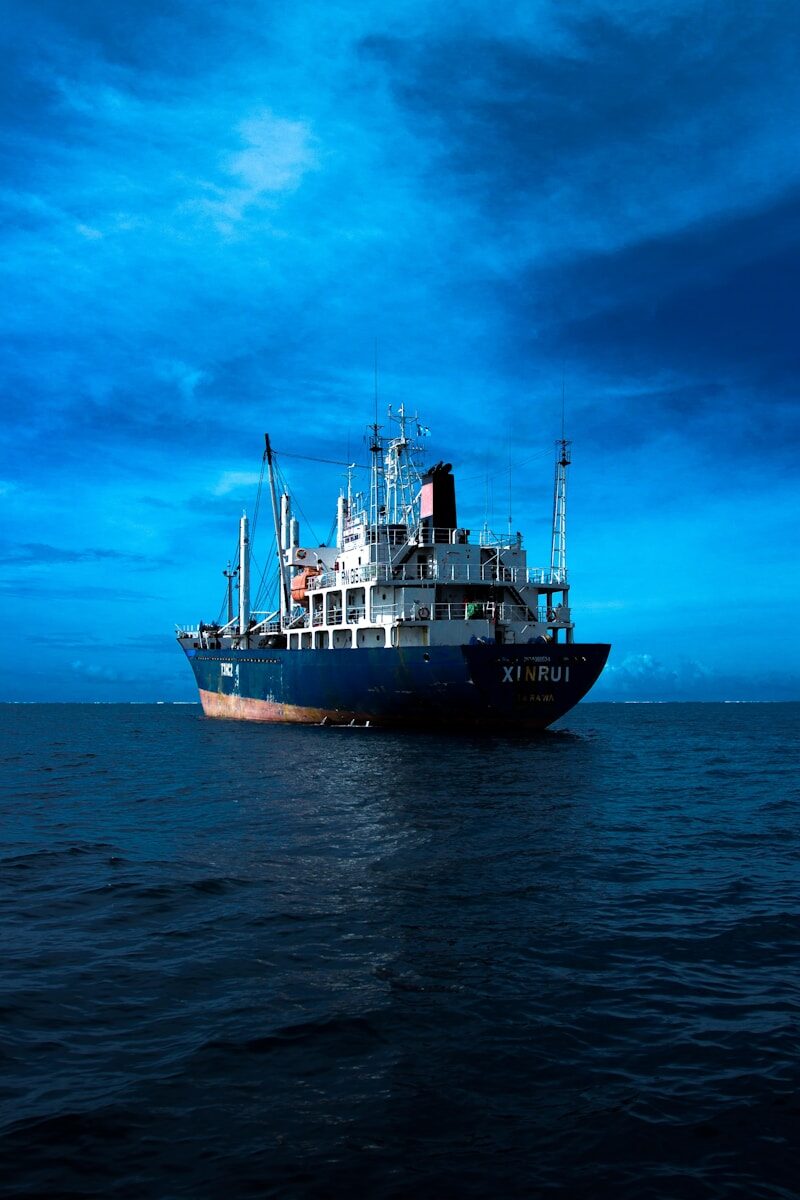
The shadow fleet, also called the dark fleet or ghost fleet, is a loose network of tankers used to move oil and other cargo outside the reach of mainstream regulation, insurance, and oversight. These vessels are not defined by a single owner or registry. They are defined by how they operate: opaquely, and in ways designed to keep their activity difficult to trace.
The fleet expanded as sanctions regimes tightened around specific exporters of crude oil. When mainstream shipping, insurance, and financing withdrew from a trade, a parallel system emerged to carry it. That parallel system is what analysts describe as the shadow fleet.
What defines a shadow-fleet vessel
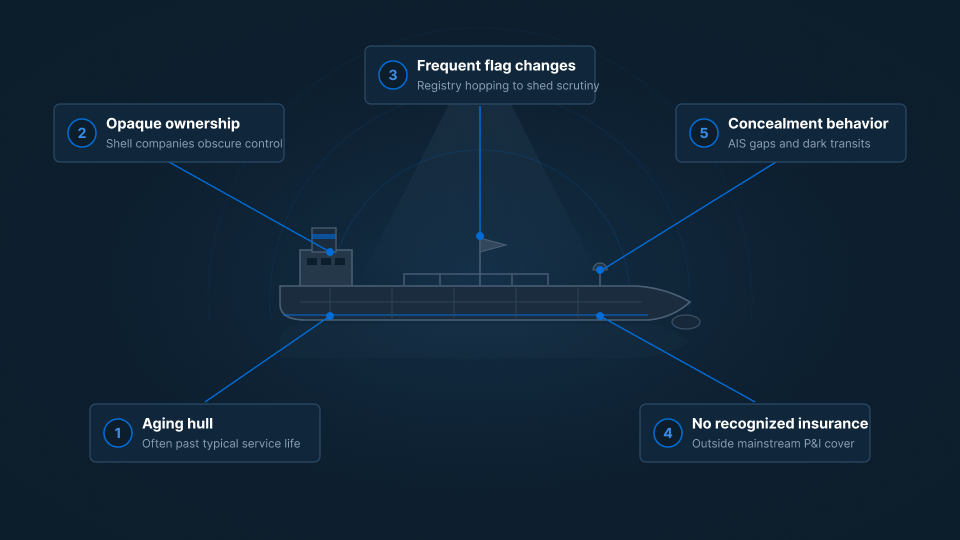
No single feature makes a ship part of the shadow fleet. The pattern is a combination of traits:
- Aging hulls, often past the age at which mainstream operators retire a tanker.
- Opaque ownership, routed through shell companies that obscure who ultimately controls the vessel.
- Frequent flag changes, cycling between open registries to shed scrutiny.
- Absent or unclear insurance, operating without recognized protection and indemnity cover.
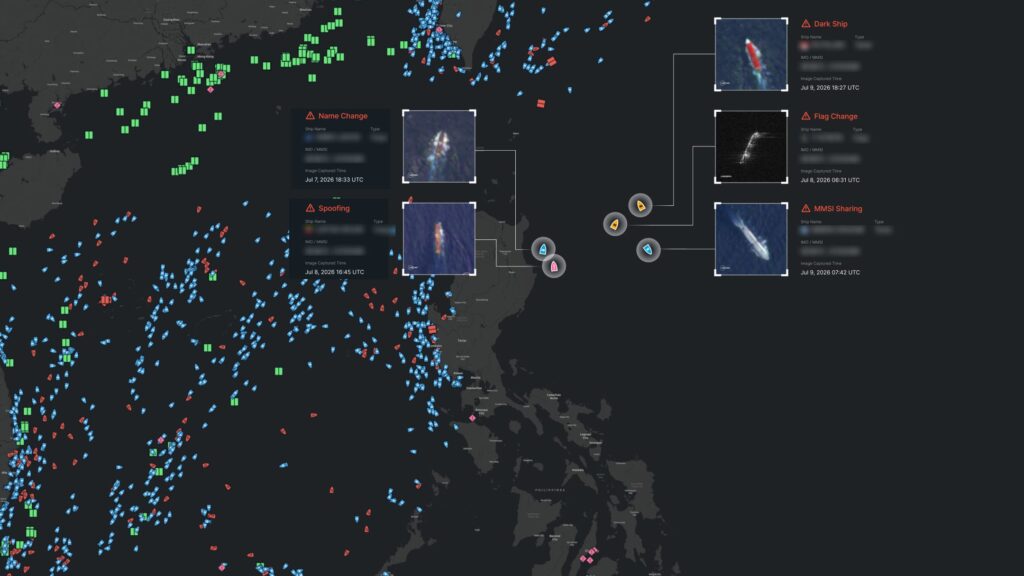
- Concealment behavior, including periods without AIS transmission and falsified positions.
Why the shadow fleet matters
The consequences extend well beyond sanctions policy. Aging tankers operating without recognized insurance and maintenance raise the risk of collisions, spills, and environmental damage in busy waters. The trade also undermines enforcement, because cargo that should be restricted continues to move. For insurers, financiers, and compliance teams, contact with a shadow-fleet vessel is a source of legal and reputational exposure that is difficult to detect through paperwork alone.
How shadow-fleet vessels are identified
A shadow-fleet vessel is not identified by any single trait, and certainly not by the mere absence of an AIS transmission, which on its own is unremarkable. It is identified by the combination. Analysts start from the self-reported picture, then enrich it with imagery to establish what is actually on the water and where. The finding emerges from the whole profile: an aging hull whose ownership is opaque, which has changed flags repeatedly, and whose observed movements include reporting gaps around sensitive ports or a rendezvous at sea. Each element is weak alone and telling in combination. (See: How to Detect Dark Ships and Understanding Deceptive Shipping Practices.)
This work sits inside the broader discipline of maritime domain awareness, and it connects directly to sanctions enforcement at sea. (See: What Is Maritime Domain Awareness and How Maritime Sanctions Evasion Works at Sea.)
From opacity to evidence
The shadow fleet works because it is hard to see, and because no single data point condemns a vessel. SynMax delivers the capability to cut through that through Theia, combining the AIS baseline, imagery, and vessel history into a profile that identifies the vessels working to stay hidden, and separates them from ordinary traffic that simply is not transmitting.
That is the standard we hold to across everything we build: Ground Truth for Every Decision.
If your team needs to identify shadow-fleet activity in your area of interest, request a demo and we will show you what that looks like.